SIBO, or small intestinal bacterial overgrowth, is something I see all the time in my practice. Many of my clients come in dealing with persistent bloating, unpredictable bowel movements, reflux, abdominal discomfort, and growing food intolerances despite normal scopes and lab tests. But when we zoom out and look at the bigger picture, there is usually a deeper reason that can’t be found on standard testing. In many cases, that is SIBO. However, SIBO itself is not the primary problem at all, but rather a symptom of an even bigger picture.

As a Registered Dietitian specializing in IBS and SIBO, I often get asked about what SIBO is, especially by people who have been told they “just have IBS.” In this post, we will break down what SIBO actually is, why it develops, how the different gas types influence symptoms. We will also dig into the role digestion and motility play in bacterial overgrowth and how testing works.
What Is SIBO?
At its core, SIBO (small intestinal bacterial overgrowth) occurs when bacteria that should primarily remain in the large intestine begin accumulating in the small intestine. While the small intestine is never meant to be completely sterile, it is designed to be relatively low in bacteria. It’s primary role is digestion and nutrient absorption rather than fermentation.
Bacterial overgrowth within the small intestine has been shown to directly interfere with nutrient absorption. This in turn contributes to excessive fermentation and creates unwanted symptoms through gas production (Pimentel et al., The American Journal of Gastroenterology, 2020).
How I Explain SIBO to Clients
One of the easiest ways to understand SIBO is by thinking about the digestive tract like different bodies of water.

Join the Free Masterclass
Learn the real reason SIBO and IBS symptoms keep coming back, and what's actually missing from most protocols. No cost, no commitment.
Register NowUnder normal circumstances, the small intestine functions like a flowing river. When you consume foods, they are properly digested and move through the gut uninterrupted. Because of this, nutrients are absorbed properly, and bacteria do not have the opportunity to accumulate in significant amounts.
In someone dealing with SIBO, that environment begins to look much more like a stagnant pond.
Movement slows down. Food sits longer than it should. Bacteria begin accumulating where they normally would not have the opportunity to thrive. This build up leads to an increase in fermentation and over time that environment becomes much more favorable for bacterial overgrowth.
This is where things start to connect because SIBO is not simply about bacteria being present. It is about the conditions within the digestive tract allowing that overgrowth to happen in the first place.
Understanding the Roles of the Small and Large Intestine
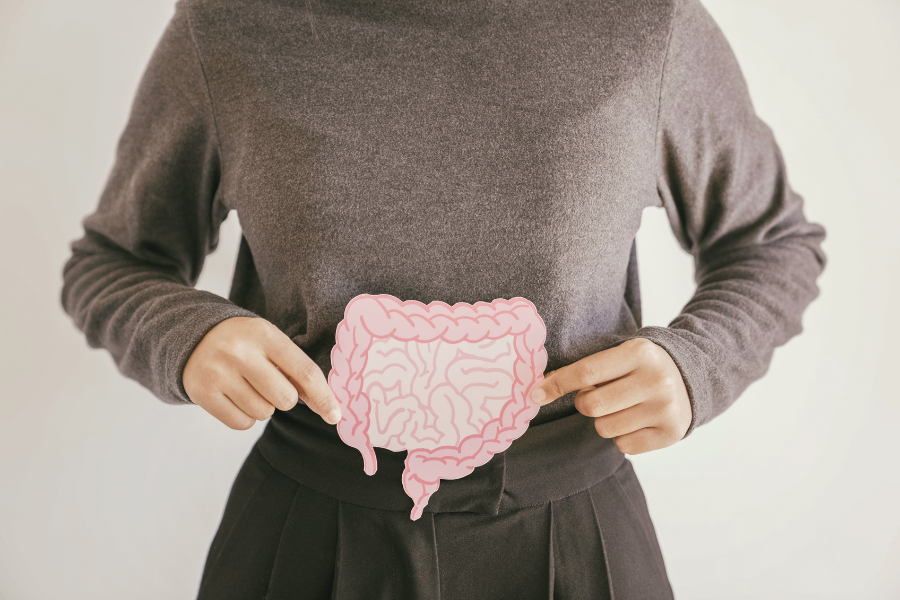
The small and large intestine serve very different functions in your gut. Differentiating the two will explain why SIBO is so problematic.
The Small Intestine’s Role
The small intestine is primarily responsible for digestion and nutrient absorption. This is where food is broken down into smaller particles so the body can begin extracting and absorbing the nutrients. These nutrients are then able to be used to support everything from energy production to hormone balance and immune function. Several key processes are happening here simultaneously, allowing the body to efficiently process and utilize nutrients.
- Digestive secretions such as stomach acid, pancreatic enzymes, and bile work together to break down proteins, fats, and carbohydrates.
- The majority of nutrient absorption occurs here, including B vitamins, iron, fat-soluble vitamins, amino acids, and other essential building blocks.
- The environment is designed for digestion and absorption, not fermentation, so bacterial populations are meant to remain relatively low.
The Large Intestine’s Role
The large intestine serves a very different purpose. Rather than focusing primarily on digestion, this is where fermentation is designed to happen naturally as bacteria break down fibers and resistant starches that were not fully digested earlier in the digestive process.
- Bacteria ferment carbohydrates to produce short-chain fatty acids, which support the gut lining, regulate inflammation, and promote overall colon health.
- This part of the digestive tract is designed to house large amounts of bacteria, making it the primary location of the gut microbiome.
- Fermentation occurs here in a controlled way that does not typically cause digestive disruption.
When bacteria begin accumulating in the small intestine rather than remaining concentrated in the large intestine, fermentation starts happening in the wrong place. This can lead to symptoms such as bloating, gas, abdominal discomfort, reflux, and bowel irregularities.
The Different Types of SIBO and Why Symptoms Vary
One of the biggest misconceptions I see is people thinking SIBO simply means there is too much “bad bacteria.” In reality, it is more important to understanding what those bacteria are producing.
As discussed earlier, fibers fermented in the large intestine produce favorable by-products. In contrast, when bacteria ferment carbohydrates inside the small intestine, they produce gases. What gas is produced can predict how your body will react.
Hydrogen Dominant SIBO
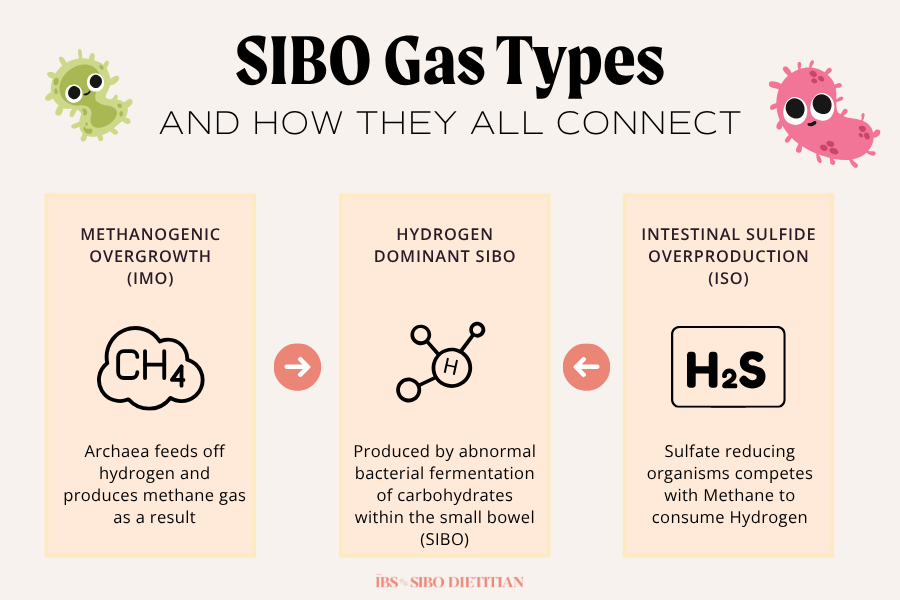
Hydrogen dominant SIBO occurs when bacteria within the small intestine ferment carbohydrates, producing hydrogen gas as a byproduct. This excess hydrogen tends to speed up intestinal transit time, causing food to move through the digestive tract more quickly.
This is one of the reasons hydrogen dominant SIBO is more commonly associated with symptoms such as:
- Diarrhea
- Urgency after eating
- Loose stools
- Frequent bloating
- Increased gas production
- Nutrient deficiencies
- Brain fog
Methane Dominant SIBO
Methane dominant SIBO, more accurately referred to as intestinal methanogen overgrowth (IMO), occurs when methane-producing organisms begin using hydrogen and convert it into methane gas.
Unlike hydrogen, methane has been shown to significantly slow intestinal motility, causing food and waste to move through the digestive tract much more slowly than normal. (Pimentel et al., American Journal of Physiology Gastrointestinal and Liver Physiology, 2006).
This slower movement often contributes to symptoms such as:
- Feeling backed up after meals
- Constipation
- Harder or more difficult to pass stools
- Incomplete bowel movements
- Slower transit time
- Significant bloating
- Unintentional weight gain
Hydrogen Sulfide SIBO
Hydrogen sulfide SIBO occurs when certain bacteria begin fermenting sulfur-containing compounds and produce hydrogen sulfide gas as a byproduct. This form of overgrowth can present a bit more variably. Hydrogen sulfide interacts differently with the digestive tract and sulfur metabolism pathways, symptoms often feel less predictable and can extend beyond typical bloating alone.
I often see symptoms such as:
- Diarrhea or loose stools
- Excessive gas production
- Abdominal pain or cramping
- Nausea
- Sulfur sensitivities
- Rotten egg smelling gas or burping
- Extremity tingliness
The Most Important Thing to Understand About SIBO
One of the biggest mistakes I see happening in clinical practice is the assumption that SIBO simply happens out of nowhere and that treatment should focus entirely on eliminating the bacterial overgrowth itself.
In reality, SIBO is a symptom of a much larger dysfunction happening somewhere within the digestive tract. Something has altered the environment enough to allow bacteria to accumulate where they normally should not. Unless that underlying dysfunction is addressed, long-term healing often remains difficult.
This is exactly why I spend far less time asking what protocol someone should use and much more time asking why the overgrowth developed in the first place.
The Two Biggest Root Causes I Look For
In practice, I am almost always investigating two major categories when working with clients struggling with recurrent SIBO.
1. Motility Dysfunction
Motility refers to how effectively food, bacteria, and waste move throughout the digestive tract. When motility slows down, bacteria begin sitting inside the small intestine far longer than they should. Over time, this creates an environment where bacterial accumulation becomes much more likely.
Research has shown that disruptions in motility can significantly increase the likelihood of bacterial overgrowth developing over time (Pimentel et al., Digestive Diseases and Sciences, 2006).
Common contributors to slow motility I often investigate include:
- Food poisoning
- Thyroid dysfunction
- Nervous system dysregulation
- Structural abnormalities
- Abdominal surgeries
- Blood sugar dysregulation
- Anything that may impair normal migrating motor complex function
2. Impaired Digestion
Digestion itself acts as one of the body’s natural defense mechanisms against bacterial overgrowth. Proper stomach acid production, pancreatic enzyme secretion, and healthy bile flow all help regulate bacterial balance while ensuring food is properly broken down before bacteria have the opportunity to begin fermenting it prematurely.
When digestion becomes impaired, fermentation often begins happening much earlier than intended, which can significantly increase symptom burden over time.
This is where I begin looking at factors like:
- Low stomach acid production
- H pylori infections
- Long-term acid suppressing medications
- Gallbladder dysfunction
- Pancreatic insufficiency
- Restrictive dieting
- Patterns of chronic under eating
This is why simply focusing on bacterial overgrowth often misses the much bigger issue.

If I Suspected I Had SIBO, These Are the First Steps I Would Take
If I suspected I was dealing with SIBO, I would not immediately jump to supplements, restrictive diets, or treatment protocols. This is one of the biggest mistakes I see people make when starting off.
Instead, these are the first areas I would focus on.
1. Pay Attention to Symptom Patterns
Start by looking closely at how symptoms are actually presenting, as these patterns often provide important clues.
- Does bloating worsen throughout the day?
- Are symptoms worse immediately after eating or several hours later?
- Are bowel movements leaning toward constipation, diarrhea, or alternating patterns?
- Is reflux, nausea, belching, or early fullness becoming consistent?
2. Consider Breath Testing
Breath testing can be a helpful tool when SIBO is suspected, but it should always be interpreted alongside the bigger clinical picture.
- Consider glucose or lactulose breath testing
- Understand that false positives and false negatives can happen
- Symptoms and health history still matter when interpreting results
3. Support Digestion First
Before focusing entirely on bacterial overgrowth, I would make sure digestion is functioning properly since digestion acts as one of the body’s natural defense mechanisms.
- Are you eating enough consistently throughout the day?
- Are meals being rushed or eaten under stress?
- Is stomach acid production impaired?
- Could enzyme production or bile flow be compromised?
4. Ask Why the Overgrowth Developed
SIBO rarely happens randomly. In many cases, bacterial overgrowth is the downstream result of another dysfunction that has been developing over time.
- History of food poisoning or post-infectious IBS
- Chronic constipation or slow motility
- Thyroid dysfunction
- Nervous system dysregulation
- Prior abdominal surgery
- Long periods of restrictive dieting or under eating
5. Avoid Making Food Restriction the First Step
One of the biggest mistakes I see is immediately removing large amounts of food without addressing the underlying cause. Research continues to show that reduced dietary diversity can negatively impact microbiome diversity, potentially creating additional challenges for long-term gut health recovery (Moszak et al., Nutrients, 2020).
- Restriction may temporarily reduce symptoms but rarely addresses root cause
- Reduced dietary diversity can negatively impact microbiome health
- Overly restrictive diets often worsen food fear and nutrient deficiencies
- Long-term healing requires restoring function, not simply avoiding food
Final Thoughts: SIBO Is a Symptom, Not the Root Cause
I think one of the most important shifts people need to make when thinking about SIBO is understanding that SIBO itself is rarely the primary problem.
Bacterial overgrowth develops because something deeper within the digestive tract has created an environment where bacteria are able to accumulate where they should not. The overgrowth is often simply the downstream consequence of dysfunction that has been building long before symptoms became severe enough to notice.
If treatment focuses entirely on reducing bacterial overgrowth without addressing the underlying reason that overgrowth developed in the first place, the environment that allowed SIBO to occur has not actually changed. If you are dealing with SIBO, the goal should not simply be eliminating bacteria or finding the next protocol that promises symptom relief. The bigger focus should be understanding what underlying systems may be contributing to that overgrowth in the first place.
Long-term healing requires improving digestion, restoring healthy motility, supporting nervous system regulation, and addressing the physiological dysfunctions that allowed symptoms to develop over time. While reducing bacterial overgrowth may temporarily improve symptoms, sustainable healing comes from understanding why it happened in the first place.
Frequently Asked Questions About SIBO
Is SIBO the Same Thing as IBS?
No, although the two are often closely connected. IBS is considered a functional gastrointestinal disorder, meaning it describes a pattern of symptoms such as abdominal pain, bloating, diarrhea, or constipation without identifying a single clear cause. SIBO, on the other hand, refers specifically to bacterial overgrowth occurring within the small intestine.
In some individuals, SIBO may be contributing to IBS symptoms, but IBS itself is not always caused by bacterial overgrowth.
Can SIBO Go Away on Its Own?
In some situations, mild bacterial overgrowth may improve temporarily, particularly if the underlying trigger resolves quickly. However, in many cases, SIBO requires a clearing phase to lesson the overgrowth burden before digging into the root of the issue. That can involve improving motility, optimizing digestion, regulating nervous system, or improving certain lab values.
Can You Have SIBO Without Constipation?
Absolutely.
While methane dominant overgrowth is commonly associated with constipation, other forms of SIBO often present very differently. Hydrogen dominant SIBO is more commonly associated with diarrhea or urgency, while hydrogen sulfide can present with diarrhea, nausea, sulfur sensitivities, or excessive gas.
This is exactly why symptoms alone do not always tell us what type of overgrowth may be present.
Do I Need a Special Diet If I Have SIBO?
Not necessarily.
One of the biggest mistakes I see people make is assuming they need to immediately begin eliminating large amounts of food. While certain dietary modifications like the Low FODMAP diet can help manage symptoms temporarily, food restriction alone won’t eradicate the bacteria.
Why Does SIBO Keep Coming Back?
This is probably one of the most common frustrations I hear from clients.
In many cases, recurrent SIBO happens because treatment focused entirely on reducing bacterial overgrowth while never addressing the underlying dysfunction that allowed that overgrowth to develop in the first place.
More on the Blog
- Are Peas Low FODMAP? A Dietitian’s Guide to Adding Peas to Your Diet With IBS and SIBO
- Chamomile Tea for GERD: Does It Actually Help with Acid Reflux?
- When I Recommend Digestive Enzymes for IBS as a GI Dietitian
- Best Cortisol Reducing Supplements: A Dietitian’s Guide and How it Relates to Your Gut
- Bitter Herbs for Digestion: What They Do and Which Ones Are Worth Trying