Electrolytes are everywhere right now. Open Instagram, walk down the grocery aisle, or scroll through TikTok and you will see endless brands telling you that you need to be drinking electrolytes every single day. They claim that they will fix your fatigue, bloating, brain fog, gut, sleep, and the list goes on. The industry is pushing electrolytes hard, and the marketing is louder than the actual nuance.
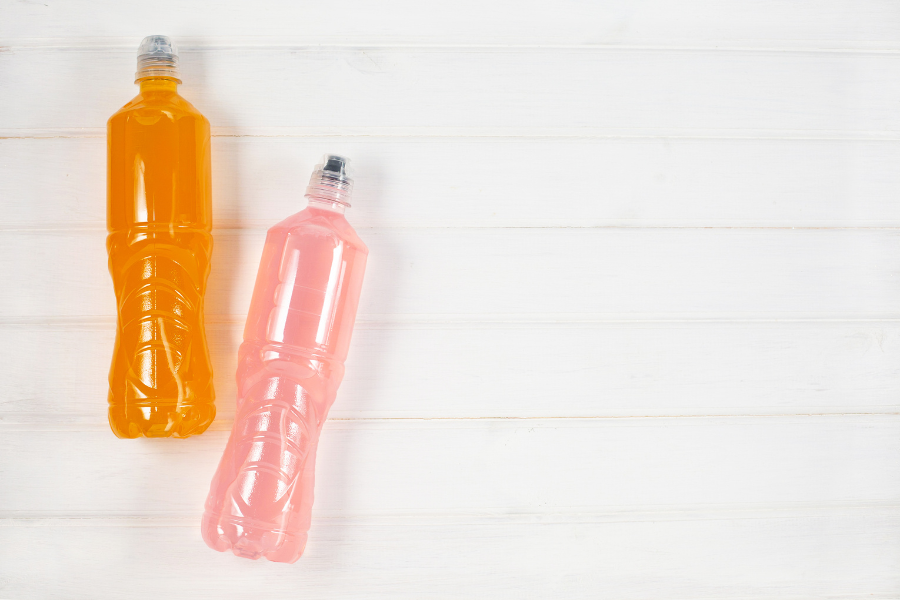
Here is my honest take as a Registered Dietitian specializing in IBS and SIBO: minerals are absolutely crucial, and I do think most of my clients benefit from intentional mineral support, but I do not believe every single person needs to be sipping an electrolyte drink every day. Electrolytes can genuinely help with IBS symptoms, nervous system regulation, motility, and post-flare recovery. But the wrong product, the wrong timing, or the wrong assumption about your own needs can also do more harm than good.
Let’s walk through what electrolytes actually do, which minerals matter most for IBS, where to get them from food, who actually needs supplemental support, what to look for in a product, and the one I personally use and recommend.
What Electrolytes Actually Do?
Electrolytes are minerals that carry a small electrical charge in your body. The main ones; sodium, potassium, magnesium, chloride, and calcium, are involved in nearly every system that keeps you functioning. They regulate how your cells communicate, how your muscles move, how your heart beats, and how your body manages fluid and stress.
To really understand why electrolytes matter, it helps to look at where they actually show up in the body:

Join the Free Masterclass
Learn the real reason SIBO and IBS symptoms keep coming back, and what's actually missing from most protocols. No cost, no commitment.
Register Now- Nervous system: Electrolytes are how your nerves fire. Sodium and potassium move in and out of cells to create the electrical signals that allow your brain to communicate with the rest of your body, including your gut (NIH ODS, 2023).
- Muscles: Every muscle contraction and relaxation depends on a balance of calcium, magnesium, sodium, and potassium.
- Heart: Your heart is a muscle too, and its rhythm relies on a steady supply of potassium, magnesium, and calcium. Even small imbalances can affect heart rate, blood pressure, and how your body responds to exertion.
- Digestive tract: The smooth muscle of your gut needs minerals to coordinate motility. Magnesium supports relaxation and bowel movements, while sodium and chloride help drive the fluid shifts that make digestion possible (Journal of Gastroenterology)
- Kidneys and fluid balance: Sodium, potassium, and chloride determine how much water stays in your bloodstream versus how much moves into your cells. This is what keeps you actually hydrated, regulates blood pressure, and prevents that frustrating pattern of drinking water all day but still feeling depleted.
- Cellular hydration: Without minerals, water doesn’t have anywhere to go. Electrolytes are what pull water into your cells, which is why hydration is about so much more than the number of ounces you drink.
- Stress and the nervous system: Magnesium in particular plays a major role in calming the nervous system and regulating cortisol (NIH ODS, 2023). When magnesium is low, the body tends to stay locked in fight-or-flight, which directly affects digestion, sleep, and energy.
Without the right minerals, water moves through you instead of into your cells, and the systems that depend on that hydration keep struggling to function the way they should.

The Core Minerals That Matter Most for IBS
Sodium
Sodium is the primary mineral responsible for fluid balance, blood pressure regulation, and helping water actually get pulled into your cells rather than passing through you. It is essential, and it is needed with IBS, particularly during IBS-D or Hydrogen Dominant SIBO flares, where loose stools pull sodium out and can leave you feeling lightheaded, fatigued, or weak.
That said, this is one area where I take a more measured stance than the current wellness narrative. The trend right now is to push more and more salt, and I do not fully agree. The reality is that sodium is fairly easy to get in today’s world — it is in restaurant food, packaged food, sauces, dressings, broths, and most snack foods. If you are taking a more whole food approach, simply salting your food can get you to where you need to be.
Excess sodium can drive fluid retention, raise blood pressure in sensitive individuals, and stress the cardiovascular system over time (American Heart Association). Therefore I do not believe that most people need to be aggressively loading sodium beyond the recommend amounts.
Ideal range for daily use:
- 300–500 mg per serving
When you might need more:
- Heavy sweating
- Travel or hot climates
- Feeling lightheaded or depleted
- In a diarrhea flare or frequent loose stools
You can go up to 500–700 mg in those cases.
How sodium specifically impacts IBS
Sodium does more than hydrate. It plays a direct role in how your gut functions.
- Can reduce that “drained” or shaky feeling
Especially in clients who feel worse between meals or struggle with energy dips. - Supports stomach acid production
Low sodium intake can contribute to lower stomach acid, which can worsen bloating, fullness, and poor digestion. - Improves nutrient and fluid absorption
Sodium works with glucose to help pull water into your cells. Without enough, you can feel dehydrated even if you are drinking plenty. - Helps with motility in under-fueled clients
Many IBS clients are unintentionally under-eating. In that state, sodium becomes even more important for maintaining energy, digestion, and bowel regularity.
Potassium
Potassium is the partner mineral to sodium, and it plays a major role in smooth muscle function, including the muscles that contract through your intestines. Low potassium can show up as muscle cramping, fatigue, heart palpitations, and worsened constipation, since potassium directly supports peristalsis (Harvard T.H. Chan School of Public Health).
Ideal range for daily use:
- 150–300 mg per serving
When you might need more:
- Higher sodium intake
- Increased sweating
- Low fruit and vegetable intake
- Muscle cramps/abdominal cramping
You can go up to 300–500 mg when needed.
What to watch for:
Very low amounts in electrolytes are often not impactful, while excessive amounts can cause GI discomfort in sensitive individuals.
How potassium specifically impacts IBS
Potassium is critical for the actual movement of the gut.
- Supports smooth muscle contraction
Your intestines rely on coordinated muscle contractions to move food through. Low potassium can contribute to sluggish motility and constipation. - Balances sodium to regulate fluid shifts
This helps prevent fluid imbalances in the intestines that can contribute to bloating or discomfort. - Supports energy and reduces fatigue
Many IBS clients describe feeling exhausted despite eating. Potassium plays a role in cellular energy and nerve signaling. - Helpful for constipation-prone IBS
Especially when paired with adequate hydration and magnesium.
Magnesium
Magnesium is the mineral I think about most in IBS, and the one most of my clients benefit from. It is involved in over 300 enzymatic reactions, including the regulation of the nervous system, muscle relaxation, sleep, stress response, and bowel motility (NIH ODS, 2023).
Not all forms of magnesium are created equal though. For IBS-C, magnesium (particularly magnesium citrate or oxide) draws water into the colon and supports more regular bowel movements. For IBS-D, magnesium glycinate is gentler on the gut and is often used to support sleep, calm the nervous system, and reduce visceral hypersensitivity.
This is where things come full circle. A dysregulated nervous system is one of the biggest drivers of IBS symptoms as it increases pain perception, dysregulates motility, and can lead to bloating, urgency, and even food sensitivities. Magnesium directly supports vagal tone and parasympathetic activity, which is the “rest and digest” state your gut needs to function (Frontiers in Neuroscience, 2018).
Ideal range for daily use:
- 50–100 mg per serving
When you might need more targeted support:
- Constipation
- High stress levels
- Trouble relaxing or winding down
In those cases, 100–200 mg may be helpful, often outside of an electrolyte drink.
What to watch for:
- Very low doses are unlikely to be effective
- Forms like magnesium oxide are poorly absorbed and more likely to cause GI upset
How magnesium specifically impacts IBS
Magnesium is one of the most impactful minerals for IBS, especially when stress and motility are involved.
- Can reduce stress related bloating
Particularly in clients whose symptoms worsen with stress or anxiety. - Relaxes intestinal muscles
This can help ease constipation and reduce that “stuck” feeling. - Supports bowel movements
Certain forms, like citrate, can gently draw water into the stool and improve regularity. - Regulates the nervous system
IBS is heavily influenced by the gut-brain connection. Magnesium supports a more relaxed, “rest and digest” state.
Who Actually Needs Electrolytes With IBS?
This is where I want to push back a bit on the hype. Not everyone with IBS needs to chug an electrolyte drink every day. If you are eating a varied, mineral-rich diet, salting your food appropriately, and not losing fluid through frequent stools or heavy sweat, your needs may already be covered.
That said, many of my IBS clients do benefit from intentional supplemental support, especially if any of the following sound familiar:
- You experience frequent loose stools, urgency, or SIBO/IBS-D flares
- You are following a low-FODMAP or otherwise restrictive diet
- You drink a lot of water and adequate fiber and still have no urge to have a bowel movement
- You sweat heavily, exercise often, or live in a hot climate
- You have had recent food poisoning or the stomach bug
- You have higher fluid and mineral needs (POTS, low blood pressure, etc.)
- You travel often or take long flights
If a few of those apply, electrolytes should be a priority in your diet. If none of them apply, you may be doing just fine with food and water, and that is okay too.

Getting Electrolytes From Food
I always start with food. Mineral-rich meals throughout the day will move the needle further than any single drink mix. A few simple shifts that often make a meaningful difference:
Sodium
You can get sodium naturally from:
- sea salt
- broth
- olives
- pickles
- miso
- naturally salted whole foods
The goal is modest, intentional sodium, not chronic over-supplementation.
Potassium
Food sources of potassium include:
- avocado
- bananas
- potatoes
- sweet potatoes
- beans (if tolerated)
- spinach
- coconut water.
Many low-FODMAP eaters under-consume potassium because so many of the highest-potassium foods are restricted, which is something I screen for routinely.
Magnesium
- pumpkin seeds
- chia seeds
- dark leafy greens
- almonds
- dark chocolate
- avocado
Food first is my always my mentality, but here is the honest truth: most of my IBS clients can still benefit from certain electrolyte products in certain situations, especially during flares, travel, hormonal shifts, or higher-stress weeks.
What to Look For (and What to Avoid) in an Electrolyte Product
This is where the “all electrolyte drinks are basically the same” myth needs to be retired. They are not the same, and for IBS, the wrong one can absolutely make symptoms worse.
When I review electrolyte products with clients, here is what I am actually looking for:
Look for:
- A balanced ratio, specifically K+/Na – I look for a 3:1 K+/Na ratio for optimal hydration and cardiovascular support
- Minimal or no added sugar, or a small amount of real sugar if any
Be mindful of:
- Excessive amounts of sodium – 1000mg or more can lead to fluid retention high blood pressure when not warranted
- Forms like magnesium oxide or citrate are poorly absorbed and more likely to cause GI upset
- Artificial sweeteners like sucralose, aspartame, or acesulfame potassium (can drive bloating, gas, and diarrhea in IBS)
- Sugar alcohols like sorbitol, mannitol, xylitol, or erythritol (high-FODMAP and notorious for triggering IBS flares)
- Excessive sugar — high doses can drive osmotic diarrhea, especially in IBS-D
Depending on what formulation you choose, some commercial electrolytes are loaded with sugar while others use sweeteners that pull water into the gut and worsen diarrhea. Some are heavy on sodium but provide almost no potassium or magnesium, which defeats the purpose.
My Go-To: Just Ingredients Electrolytes
The brand I personally use and recommend to clients is Just Ingredients Electrolytes. It checks every box I look for:
- Real sodium, potassium, and magnesium in clinically meaningful amounts
- 3:1 Potassium to Sodium ratio
- No artificial sweeteners or sugar alcohols
- No synthetic dyes or flavorings
- Lightly sweetened with monk fruit
- Tastes delicious!
It is one of the few electrolyte products I feel comfortable recommending across the board for IBS, SIBO, and sensitive gut clients, including during flares.
You can use my link here to get a discount, and the Blue Hawaiian is my personal favorite flavor.
This post may contain affiliate links, which means I may earn a small commission if you purchase through my link at no additional cost to you. I only share products I personally use with clients and trust.
The Bottom Line on Electrolytes and IBS
If you have IBS and you are constantly tired, foggy, crampy, dizzy, or just feel like water is not “doing anything,” electrolytes are worth a real look. Sodium, potassium, and magnesium each play a distinct, measurable role in motility, hydration, and nervous system regulation, and most people with IBS are running short on at least one of them.
Start with food. Build minerals into your meals before you build them into a supplement. And when you do reach for a drink mix, choose one that supports your gut instead of irritating it.
This is one of those small foundational shifts that quietly changes how a lot of my clients feel in many different areas.
More Blog Posts to Enjoy
- Are Peas Low FODMAP? A Dietitian’s Guide to Adding Peas to Your Diet With IBS and SIBO
- Chamomile Tea for GERD: Does It Actually Help with Acid Reflux?
- When I Recommend Digestive Enzymes for IBS as a GI Dietitian
- Best Cortisol Reducing Supplements: A Dietitian’s Guide and How it Relates to Your Gut
- Bitter Herbs for Digestion: What They Do and Which Ones Are Worth Trying
Katrina Cox is a Registered Dietitian specializing in IBS and SIBO. For more on gut health, motility, and root-cause nutrition, visit katrinacoxrd.com/blog.