It is by no means a magic fix, but the right teas can offer surprisingly powerful support for IBS. Certain teas can help ease bloating, reduce inflammation, calm abdominal cramping, and even support motility and digestion, when paired with a targeted nutrition and lifestyle plan.
As a Registered Dietitian, I’ve worked with so many women who just want something simple and gentle to help calm their symptoms. One of my favorite tools for this? Herbal teas. I’m sharing my top herbal tea recommendations for IBS and SIBO to help soothe the gut and support symptom relief.

Why Herbal Teas Can Help with IBS
Herbal teas can be therapeutic. Many herbs contain compounds that have been shown to:
- Calm intestinal spasms
- Support healthy gut motility
- Reduce gas and bloating
- Offer antimicrobial and anti-inflammatory benefits
- Improve digestion and stomach acid
For those with sensitive digestive systems, herbal teas can be a gentle and accessible way to find symptom relief. That being said, individual tolerance can vary, especially with SIBO, so it’s always smart to introduce one tea at a time and monitor your body’s response.
Top Herbal Teas for IBS & SIBO Relief

Ginger Root Tea
Why Ginger Tea for IBS
Most dietitians hate the word “super food” but if I were to choose my superhero in the gut health space, it would be Ginger. Ginger is a powerhouse for gut health, especially for IBS-related bloating, nausea, and slowed motility.

Join the Free Masterclass
Learn the real reason SIBO and IBS symptoms keep coming back, and what's actually missing from most protocols. No cost, no commitment.
Register NowHere’s what ginger can do:
- Improves motility in your small intestine, which helps reduce bacterial overgrowth and support regular bowel movements.
- Acts as an antispasmodic, relaxing the smooth muscle in your digestive tract to ease cramping.
- Reduces nausea, making it helpful for people with slower motility and indigestion.
- Fights inflammation, which is important for calming an irritated gut lining.
- Helps reduce gas by promoting smoother movement through the GI tract.
Things to Consider
- Preparation: Use 1–2 teaspoons of fresh ginger or a high-quality ginger tea bag. Steep for 5–10 minutes.
- Low FODMAP? Yes — ginger tea is Low FODMAP and generally well tolerated.
- Best time to drink: Before meals to help motility + after meals to ease bloating and gas.
- Use caution if you have GERD, as ginger can worsen reflux for a small number of people.

Dandelion Root Tea
Why Dandelion Root Tea for IBS
Bitter herbs are amazing for your digestion and Dandelion root is no exception. Dandelion root tea is one of the most underrated gut support teas and my go-to for suboptimal digestion.
It may:
- Stimulate stomach acid production, which improves digestion and reduces feelings of fullness after meals.
- Support bile flow, which is important for fat digestion and regular bowel movements.
- Enhance gut motility, thanks to its mild laxative effect for constipation-predominant IBS.
- Reduce bloating by promoting more efficient digestion.
Things to Consider
- Preparation: Steep 1–2 teaspoons of dried root or high quality tea bag in 8 ounces hot water for 5 minutes.
- Low FODMAP? Typically not recommended in large amounts but the strength at which you steep your dandelion tea matters. The longer you steep your tea, the higher in FODMAP content. Small amounts of weaker tea is typically recommended.
- Best for: IBS-C, sluggish digestion, or those needing stomach acid support.
Turmeric Tea
Why Turmeric Tea for IBS
Turmeric is famous for its anti-inflammatory compound curcumin. Whether you have IBS or SIBO, this tea can be useful due to their inflammatory nature.
Tumeric tea can:
- Reduce abdominal pain thanks to its anti-inflammatory properties.
- Decrease diarrhea by calming inflammation along the intestinal lining.
- Support gut barrier integrity, which may be weak in chronic IBS.
- Act as a mild antispasmodic, relaxing intestinal muscles.
- May support the microbiome by reducing pathogenic bacteria and promoting the growth of good bacteria like lactobacillus and bifidobacterium.
Things to Consider
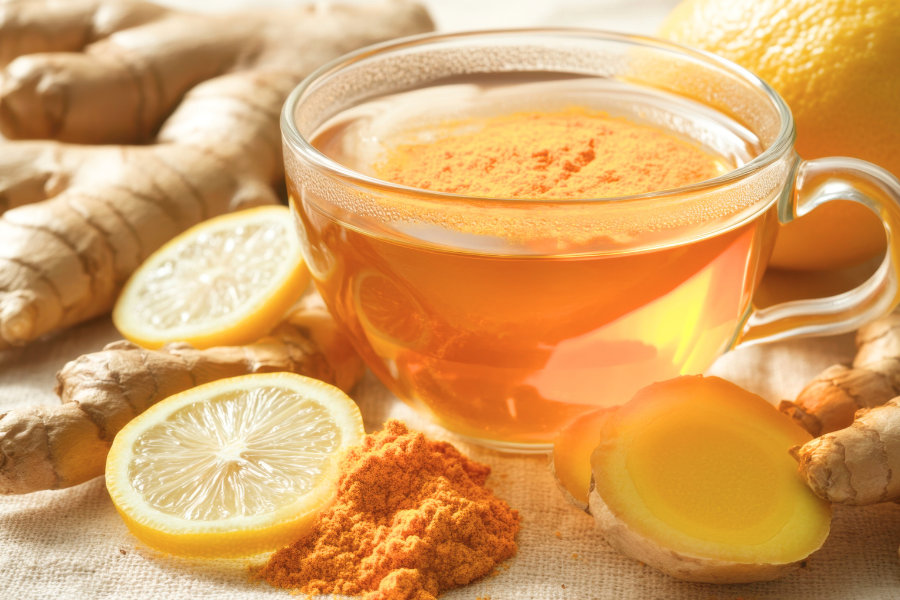
- Preparation: Use turmeric tea bags or simmer turmeric root/ powder for 7-10 minutes. Add black pepper to enhance absorption.
- Low FODMAP? Yes tumeric tea has been found to be Low FODMAP at any amount.
- Color warning: Turmeric stains everything. Use a mug you don’t love.
- Avoid if you take blood thinners or have gallstones.

Peppermint Tea
Why Peppermint Tea for IBS
Peppermint is one of the most well-studied herbal remedies for IBS, and for good reason. Peppermint has anti-sposmatic properties that can help soothe the gut and coordinate muscle movement in the gut.
It can:
- Relax the smooth muscle of your intestines (antispasmodic), reducing cramping.
- Ease abdominal pain, especially during flare-ups.
- Reduce bloating and gas by calming spasms that traps gas.
- Soothe the gut-brain connection, making it helpful for stress-related gut flares.
Peppermint oil is used clinically for IBS — peppermint tea offers a gentler version.
Things to Consider
- Preparation: Steep peppermint leaves or tea bags for 5–10 minutes.
- Low FODMAP? Yes, peppermint tea is Low FODMAP.
- Limit/Avoid if you have acid reflux or GERD, as peppermint can relax the LES and worsen symptoms.

Fennel Tea
Why Fennel Helps IBS
Fennel has been used for centuries to support digestion. Fennel is known for it’s carminative and antispasmodic properties and can improve digestion and motility.
Here’s how it supports IBS:
- Reduces gas and bloating, especially after meals by relaxing the muscles of the gut
- Acts as an antispasmodic, soothing cramping and abdominal tightness.
- Supports gut lining fennel seed extract may help protect and strengthen the gut lining, leading to a stronger immune system and less food intolerances.
- May support constipation by relaxing the intestinal muscles and aiding smooth movement.
Things to Consider
- Avoid if you’re pregnant without provider approval (fennel can have hormonal effects).
- Preparation: Steep crushed fennel seeds or tea bags for 2-5 minutes.
- Low FODMAP? Typically not recommended in large amounts but the strength at which you steep your fennel tea matters. The longer you steep your tea, the higher in FODMAP content. Small amounts of weaker tea is typically recommended.
Tips for Using Herbal Teas Effectively
- Start slow: Try one tea at a time for 3–5 days before rotating.
- Choose pure blends: Loose leaf or bagged is fine—just avoid added flavors or sweeteners.
- FODMAPs to watch out for:
- Chicory Root
- Inulin
- “Natural Flavors”
- FODMAPs to watch out for:
- Steeping time matters: Many teas are more tolerated with less steeping or weaker teas. You will still get the benefits, but less of the symptoms.
- Stay hydrated: Herbal teas count toward fluid intake and can reduce dependence on coffee or sugary drinks.
- Be mindful of Plastics: I recommend loose leaf tea when able to avoid unnecessary plastics in the tea bags. Use code KATRINA20 for 20% off at Full Leaf Tea Co.
This post may contain affiliate links, which means I may receive a commission, at no extra cost to you, if you make a purchase through a link.
The Bottom Line
Herbal teas can be a gentle, effective tool for managing IBS symptoms, especially bloating, cramping, diarrhea, and constipation. But like anything with gut health, it’s all about choosing the right tea for your symptom pattern and knowing how to prepare it.
Pairing these teas with a structured gut-healing plan (motility support, root cause testing, controlled reintroduction, etc.) is where people see the biggest transformation.
Ready to take the next step? Apply to the Bloating Breakthrough Coaching Program to find out how I can help you heal your gut with a sustainable, evidence-based approach.